
April 29, 2025
Overview
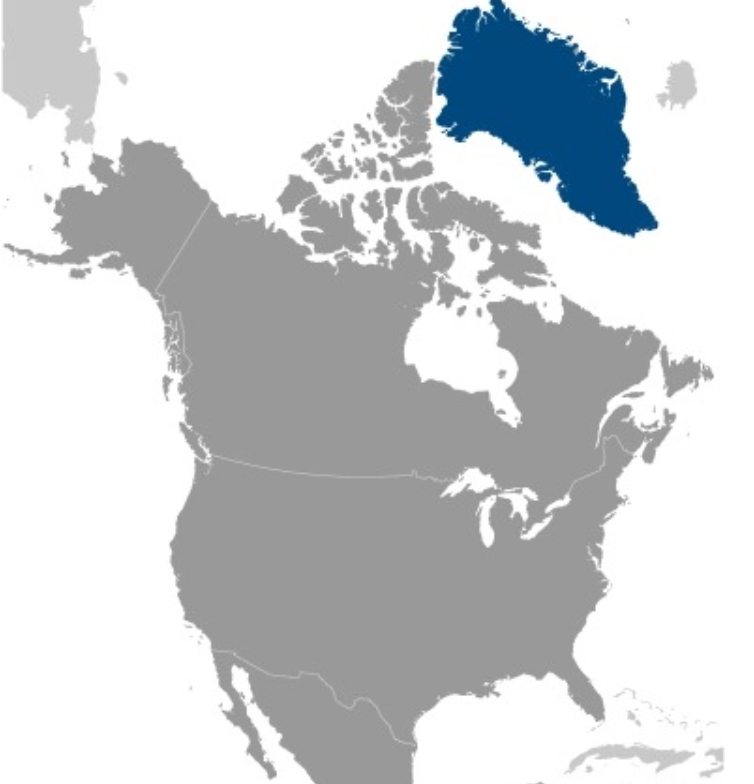
On April 28, 2025, a widespread power outage paralyzed Spain and Portugal, affecting millions and disrupting critical infrastructure, including transportation, healthcare, and communication systems. This event, one of Europe’s most severe blackouts in recent history, underscores the fragility of modern energy grids amid increasing reliance on renewable energy and aging infrastructure. The outage highlights a broader societal trend: the tension between transitioning to sustainable energy and ensuring grid stability. As climate change drives demand for cleaner energy, incidents like this raise questions about the preparedness of national grids to handle variability in renewable sources and extreme weather phenomena. The blackout’s ripple effects, felt in parts of France and even Greenland, emphasize the interconnectedness of global energy systems and the urgent need for resilient infrastructure to stabilize societies dependent on reliable power.
Facts
- Date and Time: The outage began around 12:30 PM (10:30 GMT) on April 28, 2025, affecting Spain and Portugal.
- Scope: Approximately 60% of Spain’s electricity demand dropped within five seconds. Major cities, including Madrid, Lisbon, Seville, Valencia, and Barcelona, lost power.
- Impact: Public transport (metros, trains), traffic lights, ATMs, and phone lines were disrupted. Airports grounded flights, and hospitals suspended routine operations. The Madrid Open tennis tournament halted play due to power loss affecting electronic systems.
- Restoration: By April 29, 99% of Spain and all of Portugal had power restored.
- Casualties: In Taboadela, Spain, three family members died from carbon monoxide poisoning after using a petrol-powered generator during the outage.
- Investigations: Spain’s High Court opened a preliminary investigation to determine if a cyberattack caused the blackout, which could be classified as terrorism. Portugal’s National Cybersecurity Centre found no evidence of foul play.
Perspectives
- Portuguese Grid Operator (REN): REN attributed the outage to a “rare atmospheric phenomenon” causing “anomalous oscillations” in Spain’s high-voltage lines (400 kV). They suggest extreme temperature variations in Spain triggered the grid collapse, emphasizing the need for enhanced grid monitoring to prevent similar events. REN warned full grid restoration could take up to a week.
- Spanish Government (Prime Minister Pedro Sánchez): Sánchez stated the government has not ruled out any hypothesis, including a cyberattack, and vowed to take “all necessary measures” to prevent future blackouts. This reflects a focus on national security and infrastructure resilience, potentially leading to stricter regulations on energy operators.
- European Commission (Teresa Ribera): Ribera ruled out sabotage but called the outage “one of the most serious episodes recorded in Europe.” She advocates for increased investment in interconnected energy grids to bolster regional stability, highlighting the EU’s role in coordinating energy security.
- Pro-Russian Hacker Groups (Dark Storm Team, NoName057): These groups claimed responsibility, sharing links alleging breaches in Portuguese government systems. Their claims, unverified, aim to sow distrust in Western infrastructure security, potentially escalating geopolitical tensions.
Considerations
- Energy Transition Challenges: The outage highlights the risks of relying heavily on variable renewable energy sources like wind and solar without adequate backup systems.
- Grid Interconnectivity: The blackout’s spread to France and Greenland underscores the need for robust cross-border energy agreements and infrastructure resilience.
- Climate Impact: Extreme weather, potentially linked to climate change, may increasingly threaten grid stability, necessitating adaptive technologies.
- Cybersecurity Threats: Even if unproven, hacker claims raise concerns about vulnerabilities in critical infrastructure to cyberattacks.
- Public Safety: The deaths in Taboadela highlight the dangers of improvised power solutions during outages, suggesting a need for better public education.
- Economic Implications: Disruptions to transport, commerce, and healthcare reveal the high cost of unreliable energy, potentially driving investment in grid modernization.
- Policy Shifts: Governments may prioritize energy security, possibly delaying renewable transitions to focus on immediate grid stability.
© Copyright 2025, CAPY News LLC, All Rights Reserved. This article includes content produced using advanced software with human instruction and oversight.



Leave a Reply