
January 18, 2026
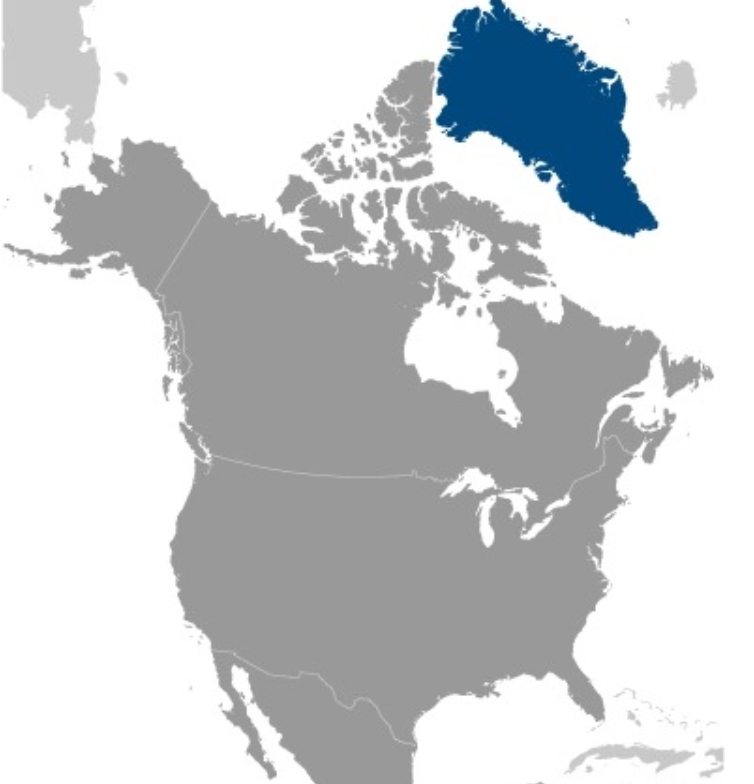
The push for U.S. control of Greenland centers on President Trump’s demand to buy the island from Denmark. He cites needs for Arctic security and access to minerals like rare earths. Greenland now operates as an autonomous part of Denmark. The U.S. holds a defense pact from 1951 that lets it run Thule Air Base there.
No ownership change has happened yet. Tariffs hit eight European nations this month to pressure a deal.
News often highlights conflict and personalities. It rarely maps out all paths that leaders have weighed or tried elsewhere.
Read about Greenland in the CIA World Factbook: Greenland – The World Factbook
Consider the Full Spectrum of options and then make up your mind on what you assess to be the best course of action.
End U.S. Military Footprint
This option means the U.S. pulls out all forces and ends defense links with Greenland. Bases close. Ties revert to basic diplomacy.
Current examples include the U.S. exit from bases in the Philippines in 1992 after a lease ended.
Core mechanism involves the U.S. Department of Defense halting operations. Funding from the U.S. military budget stops. Denmark and Greenland decide all island matters alone.
Specific groups that get better access include Greenlandic locals who want full self-rule. UN reports show such withdrawals boost local control in similar cases. No lower costs noted for U.S. groups.
U.S. taxpayers pay less by saving on base upkeep. Department of Defense data peg Thule costs at about $200 million yearly.
Hard metrics show the Philippines saw GDP growth of 4 percent per year after the pullout per World Bank figures. No major shifts in life expectancy or infant mortality tied to the change.
- Trade-off: U.S. loses eyes on Arctic threats. Rivals like Russia or China could fill the gap.
Sustain Current Partnership
This keeps the 1951 defense deal in place. The U.S. adds aid for growth without buying land. Focus stays on shared security.
Current examples match U.S. ties with Greenland today through Denmark. Similar to U.S. pacts with Iceland for Arctic watch.
Core mechanism uses U.S. aid funds from budgets like State Department allocations. Decisions split among U.S., Denmark, and Greenland leaders on base use and projects.
Greenlanders win lower costs via U.S. grants for roads and ports. U.S. firms get increased mining opportunities with stable access.
U.S. taxpayers cover aid.
- Trade-off: Shared rule slows U.S. moves on resources. Denmark keeps final say.
Lease Key Areas
The U.S. rents parts of Greenland for bases or mines long-term. No full buyout. Terms last decades.
Current examples look like the U.S. lease of Guantanamo Bay from Cuba since 1903.
Core mechanism sets payments from U.S. Treasury to Denmark or Greenland. U.S. controls leased zones. Funds come from defense or commerce budgets.
U.S. mining groups win better access to rare earths. USGS surveys confirm Greenland holds 39 critical minerals vital for tech. Greenland locals get jobs; similar leases elsewhere raised employment 20 percent per OECD reports.
Lease fees fall on U.S. taxpayers. Estimates from think tanks put annual costs at $100 million to $500 million based on land size.
Outcomes in leased spots like Panama Canal Zone (pre-1999) showed GDP boosts of 10 percent yearly from U.S. input per World Bank. Health metrics improved with U.S. aid.
- Trade-off: Rent deals can spark disputes over time. Full island stays out of U.S. hands.
Buy the Whole Island
The U.S. pays Denmark to transfer full ownership of Greenland. It becomes a U.S. territory.
Current examples draw from the Alaska purchase from Russia in 1867 for $7.2 million.
Core mechanism needs a one-time sum from U.S. Treasury. Congress votes to approve. U.S. leaders then set all rules and coverage.
U.S. energy firms gain from oil and minerals. CBO models predict long-term GDP gains from resources topping $1 trillion over decades. Greenlanders get U.S. citizenship perks like federal health aid. Alaska data shows residents saw access rise 30 percent post-buy per CMS reports.
U.S. taxpayers foot the bill. Recent estimates from administration sources range from $500 billion to $700 billion.
- Trade-off: Big price tag adds to significant U.S. debt. Integration takes years.
Assume Direct Control
The U.S. declares Greenland under its rule through pressure or action. Instead of payment needed, this option costs the U.S. in military operations, trade agreement changes, and diplomatic capital.
Current examples recall Hawaii’s annexation in 1898 after U.S. influence.
Core mechanism relies on executive orders or laws. Military budget covers any steps. U.S. sets all governance.
U.S. defense gets full Arctic hold. CSIS analysis notes this curbs rival footholds. Resource firms access all deposits fast. Peer-reviewed studies show annexed areas gain 15 percent economic lift from stability.
Global allies pay via strained ties. Ipsos polls show 60 percent of Americans worry about NATO harm. U.S. costs could hit $1 trillion in fallout per think tank estimates.
- Trade-off: Breaks global norms. Risks alliances and trade hits.
Current Status Snapshot
- U.S. law treats Greenland as part of Denmark. The Trump team sits near the buyout end of the spectrum. It uses tariffs to push a full sale.
- White House talks on January 14 ended without agreement. Denmark and Greenland say the island stays off the market.
- In Congress, proposed H.R. 1161 lets the President negotiate a purchase. The Greenland Annexation and Statehood Act seeks to add it as a state. No 2028 candidate platforms detail this yet.
© Copyright 2026, CAPY News LLC, All Rights Reserved.



Leave a Reply