
April 26, 2025
Overview
The Russia-Ukraine conflict, ongoing since 2014 and escalated in 2022, continues to challenge international norms on sovereignty and territorial integrity, reflecting a broader trend of eroding respect for established borders. Recent developments, including U.S. signals of disengagement from foreign conflicts and calls for greater European Union (EU) involvement, highlight a shift in global power dynamics. This trend extends beyond Ukraine, influencing China’s strategic calculus regarding Taiwan and prompting U.S. rhetoric about territorial expansion in Greenland and Panama. These events underscore a growing willingness among major powers to prioritize national security over international law, destabilizing the post-World War II order. The conflict’s ripple effects raise questions about the future of multilateral cooperation and the ability of nations to resolve disputes peacefully, impacting global stability and trust in international institutions.
Facts
- Russia’s full-scale invasion of Ukraine began on February 24, 2022, following the 2014 annexation of Crimea.
- Ukraine launched a surprise offensive in Russia’s Kursk Oblast in August 2024, capturing 1,250 square kilometers, though Russia later reclaimed half.
- Over 10,000 North Korean troops supported Russian forces in Kursk, with casualties reported; they were withdrawn in February 2025.
- The U.S. has provided over $118 billion in aid to Ukraine since January 2022, but recent policy shifts suggest reduced involvement.
- EU nations, including the UK and France, pledged $1.5 billion in aid to Ukraine in September 2024.
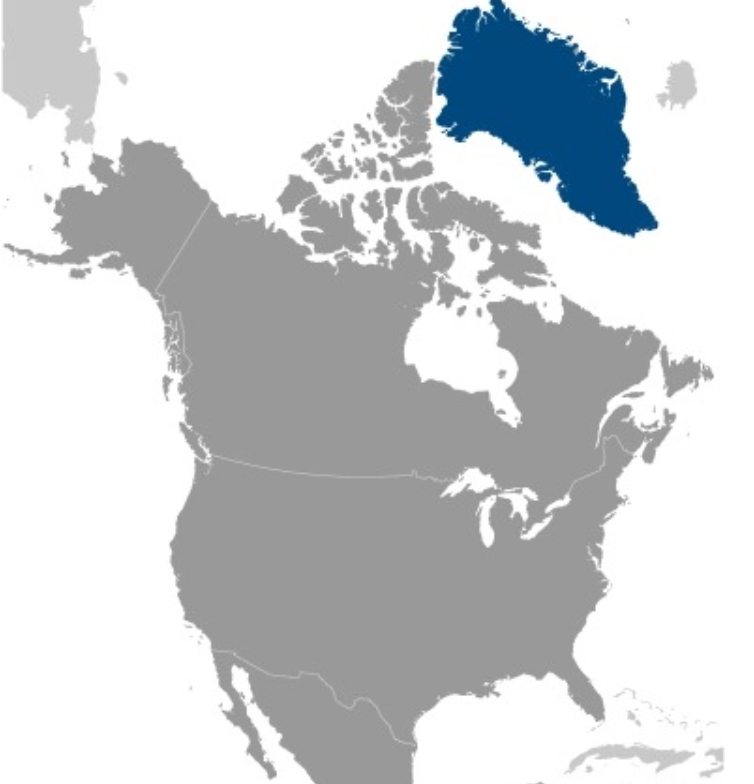
- U.S. President Donald Trump has expressed interest in acquiring Greenland and reclaiming the Panama Canal, citing national security.
- China has increased military activities near Taiwan, with no confirmed invasion plans.
Perspectives
- Ukrainian Government (President Volodymyr Zelenskyy): Zelenskyy rejects ceding territory to Russia, emphasizing Ukraine’s right to self-determination and Euro-Atlantic integration. He argues that continued Western support is critical to prevent Russian dominance, warning that concessions could embolden other aggressive powers.
- Russian Government (President Vladimir Putin): Putin claims Ukraine’s NATO aspirations threaten Russia’s security, justifying the invasion as a defense of national interests. He demands a peace settlement that eliminates NATO’s eastward expansion, viewing territorial gains as non-negotiable.
- European Union (German Chancellor Olaf Scholz): Scholz advocates for increased EU involvement, stressing the inviolability of borders and NATO’s role in collective defense. He warns that U.S. disengagement risks weakening transatlantic unity, urging robust support for Ukraine.
- U.S. Government (President Donald Trump): Trump prioritizes reducing U.S. involvement in foreign conflicts, proposing negotiations to end the Ukraine war swiftly. He views territorial expansion, like Greenland, as vital for U.S. security, aligning with a broader “America First” strategy.
- Chinese Government: China maintains neutrality but closely monitors the conflict, assessing Western responses as a gauge for potential Taiwan scenarios. It sees U.S. disengagement as an opportunity to expand influence without direct confrontation.
Considerations
- The Russia-Ukraine conflict highlights a global trend of declining respect for sovereignty, potentially encouraging other nations to pursue territorial ambitions.
- U.S. disengagement may shift responsibility to the EU, testing its capacity to lead conflict resolution and maintain unity.
- China’s observation of Western responses could influence its Taiwan strategy, impacting Indo-Pacific stability.
- Rhetoric about U.S. territorial expansion in Greenland and Panama risks undermining international norms, complicating diplomatic efforts.
- The involvement of non-Western actors, like North Korea, signals a broadening of geopolitical alignments, challenging traditional alliances.
- Reduced U.S. aid to Ukraine could weaken its defense, affecting global perceptions of Western reliability.
- The conflict’s outcome may reshape NATO’s role and the future of multilateral security frameworks.
© Copyright 2025, CAPY News LLC, All Rights Reserved. This article includes content produced using advanced software with human instruction and oversight.



Leave a Reply